Describe Tectonic Movement Using the Words Asthenosphere and Lithosphere.
Tectonic activity is responsible for some of Earths most dramatic geologic events. While lithosphere is hard and rigid Asthenosphere is a layer made up of molten rocks.

Picture Plate Boundaries Plate Tectonics Earth And Space Science
Plate tectonics is a theory which describes the movement of earth lithosperic layer.

. The asthenosphere is a solid but it can flow like toothpaste. The lithosphere is the brittle crust and uppermost mantle. Earthquakes volcanoes orogeny mountain-building and deep ocean trenches can all be formed by tectonic activity in the lithosphere.
They are lithosphere asthenosphere meosphere outer core and inner core. The asthenosphere is the region of the mantle that is capable of moving by convection and has been linked to the movement of the tectonic plates the lithosphere. Plate tectonics describes the movement of fragments formed from broken lithosphere.
Lithosphere stretches from the top of the earths crust down to first 100 kilometers while Asthenosphere lies beneath lithosphere Rocks are under severe pressure in Asthenosphere whereas they face much less pressure in lithosphere. Both oceanic and continental lithospheres are thinnest at rift valleys and ocean ridges where. These fragments are suspended on the asthenosphere which is molten hence offering good medium of movement.
Tectonic plates float on top of the asthenosphere and the leading theory for the past 40 years is that the lithosphere moves independently of the asthenosphere and the asthenosphere only moves. Tectonic plates could not move without the asthenoshere. The lithosphere lithorock.
The lithosphere is the tectonic plate we talk about in plate tectonics. Lithosphere is the outermost shell of a planet generally made up of continent. 100 1 rating 1- Earths outer shell is divided into several plates that glide over the mantle the rocky inner layer above the core.
The lithosphere rests on the asthenosphere. The lithosphere is the tectonic plate and consists of crust continental and oceanic Moho line Upper Mantle Rigid. Sthenostrength is the weak and easily deformed layer of the Earth that acts as a lubricant for the tectonic plates to slide over.
The plate tectonics extend within the lithosperic layer which is belong to the crust and partially mantle Seyfert et al 1979. The meaning of ASTHENOSPHERE is a zone of a celestial body such as the earth which lies beneath the lithosphere and within which the material is believed to yield readily to. The lithosphere is broken up into plates.
Oceanic crust mantle outer core lithosphere asthenosphere continental crust inner core. Below is a massive list of plate tectonics words - that is words related to plate tectonics. In plate tectonics Earths outermost layer or lithosphere.
The asthenosphere is located below the lithosphere. The asthenoshere acts like jello and allows the lithosphere containing the plate to move. There are 500 plate tectonics-related words in total with the top 5 most semantically related being lithosphere subduction geology continental drift and asthenosphereYou can get the definitions of a word in the list below by tapping the question-mark icon next to it.
The asthenosphere is now thought to play a critical role in the movement of plates across the face of Earths surface. We review their content and use your feedback to keep the quality high. The lithosphere-asthenosphere boundary is conventionally taken at the 1300 C 2370 F isotherm.
The asthenosphere is where the convection currents drive the plates apart and consist of Upper Mantle flowing. The lithosphere is the tectonic plate we talk about in plate tectonics. The asthenosphere is a part of the upper mantle just below the lithosphere that is involved in plate tectonic movement and isostatic adjustments.
The movement of this liquid mantle causes the movement in the tectonic plates of lithosphere resulting in earthquakes. The theory of the plate tectonics is a theory that states the role played by the plates or rigid slabs on the formation of the earths crust ie the terrestrial lithosphere or land sphere. The asthenosphere extends from 100 km depth to 660 km beneath the Earths surface.
The lithosphere rides on the asthenosphere. There are three different types of plate tectonics that is convergent divergent and lateral slipping. Tectonic activity can shape the lithosphere itself.
Plate tectonics is a scientific theory that explains how major landforms are created as a result of Earths subterranean movements. Theory that states that pieces of lithosphere are in constant slow motion. It is composed of peridotite a rock containing mostly the minerals olivine and pyroxene.
Hence it is actually asthenosphere which causes earthquakes to happen rather than lithosphere itself. Asthenosphere mainly comprises of ferro-magnesium silicates and lesser variety of combinations is found in this layer. According to the theory of plate tectonics the asthenosphere is the repository for older and denser parts of the lithosphere that are dragged downward in subduction zones.
The theory which solidified in the 1960s transformed the earth sciences by explaining many phenomena including mountain building events volcanoes and earthquakes. T he asthenosphere in plate tectonic theory. Tectonic plates are composed of oceanic lithosphere and thicker continental lithosphere each topped by its own kind of crust.
Spherelayer is the strong upper 100 km of the Earth. The asthenosphere is the layer of weak or soft mantle made of solid rock that moves very slowly. NOAA tectonics clip 65 m Plate movement causes changes.
This theory is known as the plate tectonics theory. The asthenosphere is solid upper mantle material that is so hot that it behaves plastically and can flow. Sthenostrength is the weak and easily deformed layer of the Earth that acts as a lubricant for the tectonic plates to slide over.
Tectonic plates are able to move because the Earths lithosphere has greater mechanical strength than the underlying asthenosphere. Some observers have described the asthenosphere as the lubricating oil that permits the movement of plates in the lithosphere. The plate tectonic theory got recognition in the year 1912 when ample of evidence was given evidences in support like the origin of the coals and gold reserves in the rocks near the.
Crustal generation and destruction. The lithosphere is divided into pieces called tectonic plates.

Tectonic Plates And Mantle Convection Convection Currents Plate Tectonics Earth S Mantle

What Is Lithosphere Plate Tectonics Earth Science Lessons Earth And Space Science

Temporary Geography Of A New Island Plate Boundaries Tectonic Plate Boundaries Plate Tectonics

Plate Tectonics 6 2
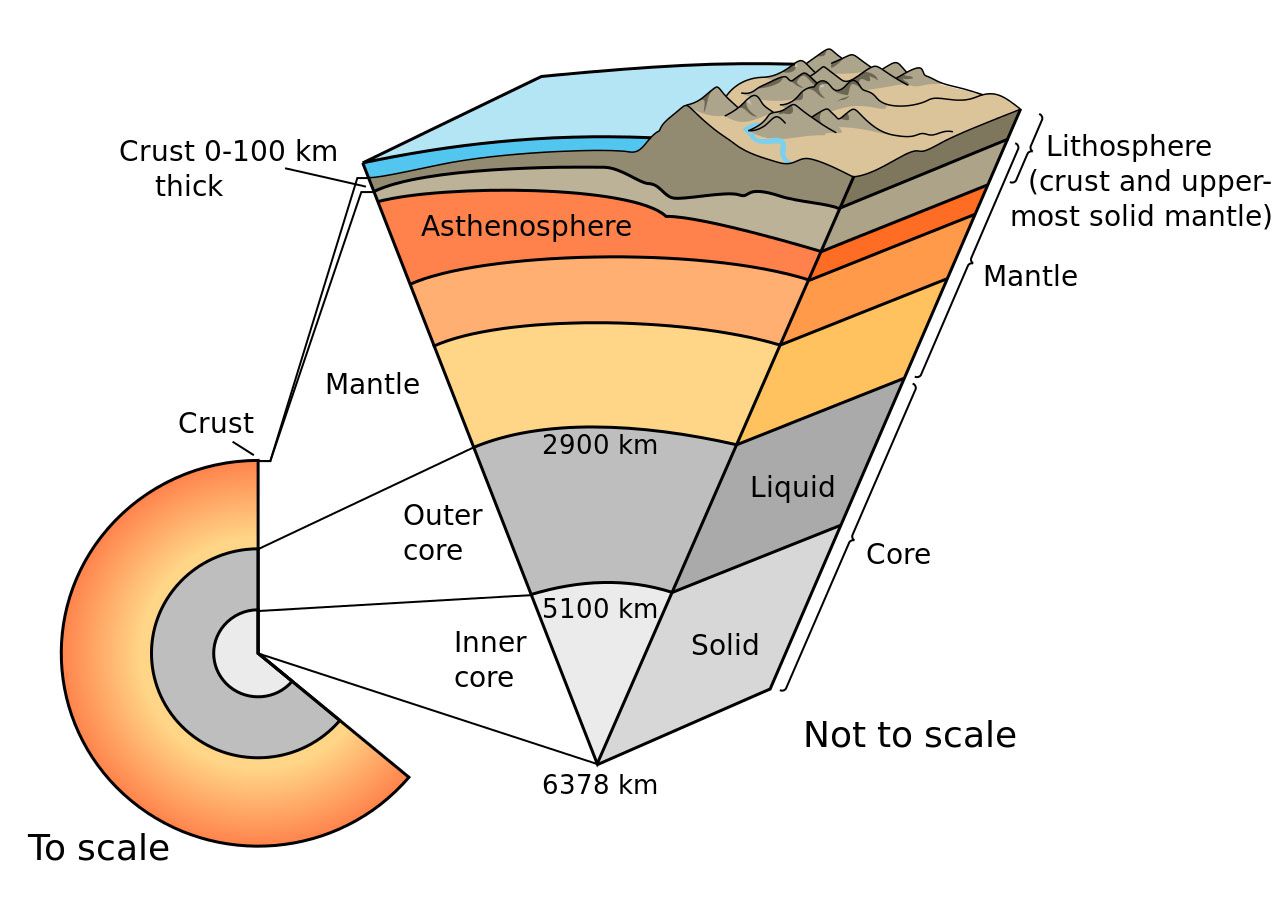
Lithosphere National Geographic Society

Lithosphere Asthenosphere Youtube

Lithosphere Wikiwand

Tectonic Plates Earth Science Lessons Earth And Space Science Science Lessons
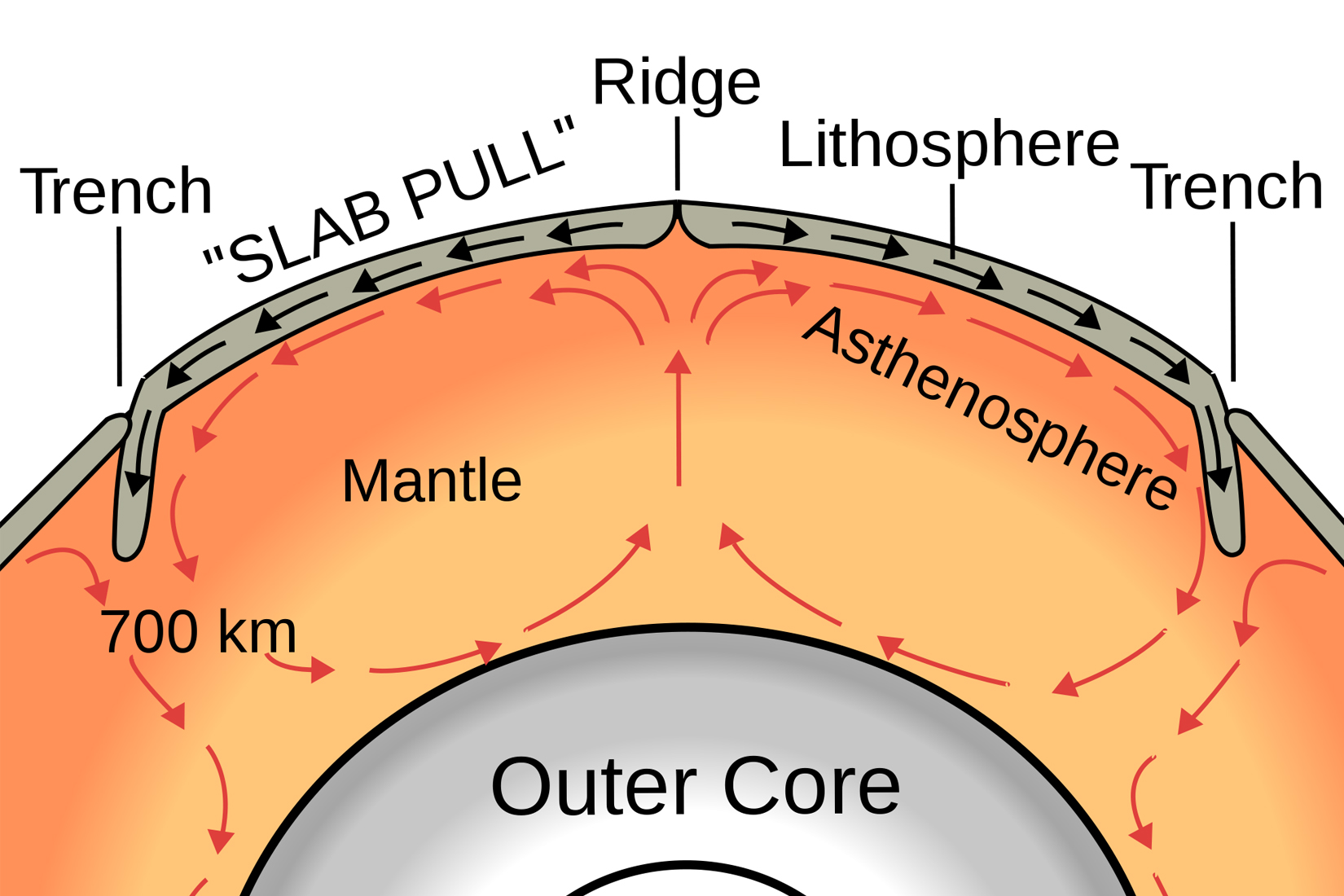
Flow In The Asthenosphere Drags Tectonic Plates Along Rice Earth Environmental Planetary Sciences

Pacific Volcanoes And The Problems With The Plate Tectonic Theory Plate Tectonics Subduction Plate Tectonic Theory

Geology In What Is The Difference Between Oceanic Crust And Continental Crust Earth Science Structure Of The Earth Plate Tectonics
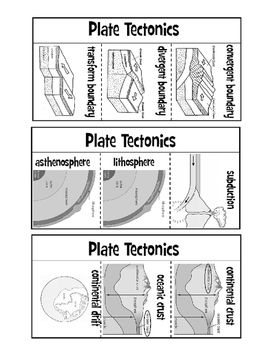
Tectonic Plates Interactive Notebook Activity Plate Tectonics Interactive Notebooks Earth Science Lessons

Plate Tectonics Plate Tectonics Earth Science Lessons Earth And Space Science
The Difference Between Asthenosphere And Lithosphere Is How The Materials In These Layers Can Flow Rocks In The Lithosphere Are Rigid Meaning That Ppt Download
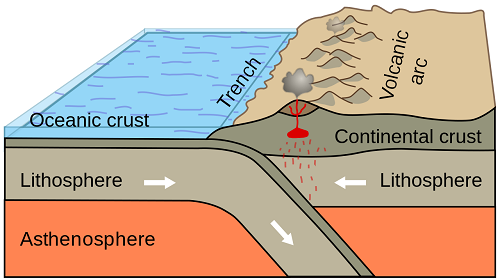
What Is The Asthenosphere

Your Students Will Enjoy Looking For All Of The Fun Plate Tectonics Vocabulary Words Hidden Tectonic Plates Activities Plate Tectonics Earth Science Vocabulary

Plate Tectonics Science Packet Earth Science Lessons Science Lessons Plate Tectonics

Convection Currents Subduction Zone Convection

Pin On Teaching Science


Comments
Post a Comment